
How Cement Storage Conditions Impact Concrete Performance
16.12.2025
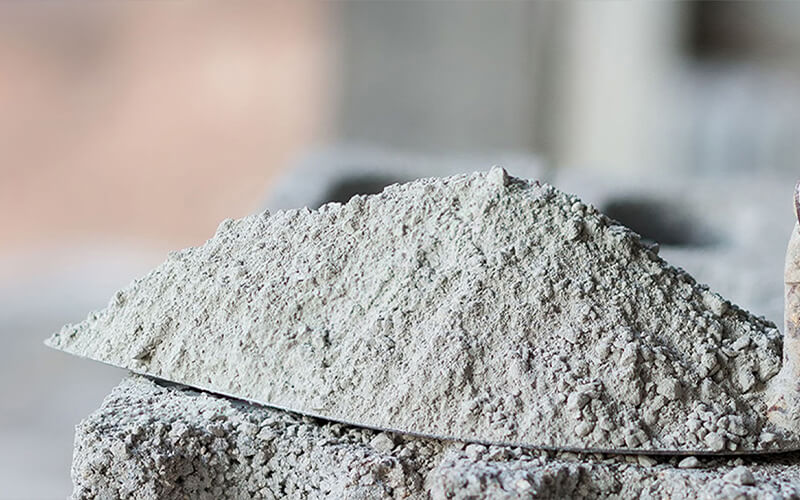
Cement is a highly sensitive construction material whose performance depends not only on how it is produced but also on how it is stored before use. On construction sites, cement is often delivered in bulk or bags and may remain in storage for extended periods before being mixed into concrete. During this time, storage conditions play a decisive role in determining whether cement retains its intended properties or begins to lose effectiveness.
Improper cement storage can lead to strength loss, inconsistent concrete behavior, delayed setting times, and durability problems. These issues directly affect concrete performance, construction schedules, and long-term structural reliability. Understanding how storage conditions influence cement quality is essential for contractors, engineers, and site managers aiming to achieve consistent and high-performing concrete.
The Sensitivity of Cement to Moisture
Moisture is the single most damaging factor for stored cement. Cement reacts chemically with water through hydration, a process that should only occur during concrete mixing. When cement is exposed to moisture during storage, partial hydration begins prematurely, reducing its ability to properly bind aggregates later.
Even small amounts of humidity can cause cement particles to clump together, forming lumps that do not fully dissolve during mixing. This results in uneven concrete strength and poor workability. Once cement has absorbed moisture, its original performance characteristics cannot be fully restored.
Effects of Humidity on Cement Quality
High ambient humidity poses a significant risk to cement stored on job sites, especially in coastal regions or during rainy seasons. Cement bags can absorb moisture from the air even if they are not directly exposed to water. Over time, this leads to gradual quality degradation.
Concrete made with humidity-damaged cement may show slower strength development and increased variability in performance. This inconsistency makes it difficult to achieve uniform results across different pours, increasing the likelihood of defects and rework.
Temperature and Its Influence on Storage Stability
Extreme temperatures also affect cement storage conditions. While cement is more resistant to temperature than moisture, prolonged exposure to high temperatures can accelerate chemical changes within the material. This may alter setting behavior and affect early-age concrete performance.
In hot environments, cement stored in poorly ventilated areas can experience thermal stress, especially when combined with humidity. Conversely, freezing conditions can introduce condensation during temperature fluctuations, indirectly increasing moisture exposure. Stable, moderate temperatures are ideal for preserving cement quality.
Impact of Storage Duration on Cement Performance
Time is another critical factor in cement storage. Even under ideal conditions, cement does not maintain peak performance indefinitely. Extended storage periods increase the risk of moisture absorption, contamination, and physical degradation.
As storage duration increases, cement may show reduced reactivity, leading to lower early strength in concrete. While long-term strength may still develop, slower early performance can delay construction schedules and affect formwork removal and load application.
Bulk Cement Storage Versus Bagged Cement
Bulk cement storage systems, such as silos, are generally more effective at protecting cement from environmental exposure. When properly sealed and maintained, silos minimize contact with moisture and air, preserving cement quality over longer periods.
Bagged cement, however, is more vulnerable to storage conditions. Improper stacking, damaged packaging, or contact with damp surfaces can quickly compromise cement quality. Careful handling and elevated storage are essential to prevent performance loss in bagged cement.
Contamination Risks During Storage
Cement stored in open or poorly protected areas is susceptible to contamination from dust, soil, chemicals, or other construction materials. These contaminants can interfere with cement hydration and reduce concrete strength.
Contaminated cement often leads to unpredictable concrete behavior, including reduced bonding and surface defects. Clean, dedicated storage areas are necessary to ensure cement remains free from foreign substances that could compromise performance.
Effects on Concrete Strength and Durability
The condition of stored cement directly affects concrete strength. Moisture-damaged or aged cement typically produces concrete with lower compressive strength and reduced resistance to external stresses. This can compromise structural safety, particularly in load-bearing elements.
Durability is also affected, as weakened concrete is more vulnerable to cracking, chemical attack, and environmental exposure. High-quality cement stored under proper conditions contributes to dense, durable concrete that performs reliably throughout its service life.
Workability and Setting Time Issues
Cement storage conditions influence not only strength but also workability and setting time. Moisture-affected cement may cause concrete to set unpredictably, either too quickly or too slowly. This creates challenges during placement, finishing, and curing.
Poor workability increases labor effort and raises the risk of placement defects such as segregation or honeycombing. Consistent storage conditions help ensure predictable cement behavior, supporting efficient on-site operations.
Best Practices for Cement Storage on Job Sites
Effective cement storage requires proactive planning and discipline. Storage areas should be dry, covered, and well-ventilated, with cement protected from direct contact with the ground and walls. Using pallets and waterproof coverings helps reduce moisture exposure.
First-in, first-out inventory management minimizes prolonged storage and ensures older cement is used before newer deliveries. Regular inspections allow site teams to identify damaged bags or compromised material before it is used in concrete production.
Long-Term Project Implications
Poor cement storage may not always cause immediate, visible problems, but its long-term effects can be severe. Reduced concrete performance can lead to higher maintenance costs, shorter service life, and potential safety concerns. These outcomes undermine project value and client confidence.
Conversely, proper cement storage supports consistent concrete quality, predictable construction progress, and long-term structural reliability. It is a low-cost preventive measure with significant impact on overall project success.
Conclusion: Storage as a Key Performance Factor
Cement storage conditions are a critical yet often underestimated factor in concrete performance. Moisture, temperature, time, and contamination all influence how cement behaves when mixed into concrete. Poor storage practices can negate the benefits of even the highest-quality cement.
By implementing proper storage strategies and maintaining strict control over environmental exposure, construction teams can protect cement quality and ensure reliable concrete performance. Effective storage is not just a logistical concern—it is a fundamental component of construction quality and durability.