
Cement Performance Factors That Influence Building Stability
17.03.2026
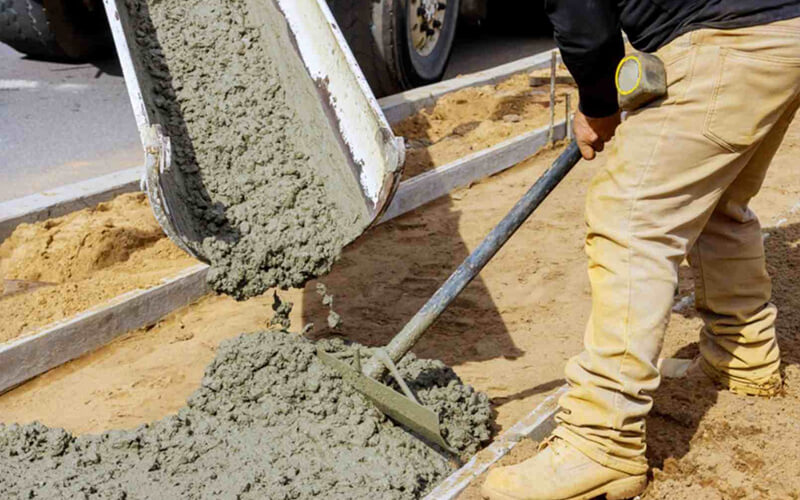
Building stability is one of the most critical aspects of any construction project. A stable structure must be able to withstand various loads, environmental conditions, and long-term usage without experiencing failure or excessive deformation. At the core of this stability lies cement, the essential material that binds all structural components together. The performance of cement directly affects how well a building can maintain its integrity over time.
While structural design and engineering calculations are important, the actual performance of a building depends heavily on the quality and behavior of the materials used. Cement performance is influenced by multiple factors, each playing a key role in determining the strength, durability, and reliability of a structure. In this article, we will explore the main cement performance factors that influence building stability and why they should never be overlooked.
Chemical Composition and Material Consistency
The chemical composition of cement is one of the primary factors that determine its performance. Elements such as calcium, silica, alumina, and iron oxide must be present in the correct proportions to ensure proper hydration and strength development. High-quality cement is manufactured with precise control over these العناصر, resulting in consistent and reliable performance.
Inconsistent chemical composition can lead to unpredictable behavior in concrete, affecting both strength and durability. This variability can compromise building stability, especially in structures that require uniform load distribution.
Fineness of Cement Particles
Fineness refers to how small the cement particles are, and it has a significant impact on the hydration process. Finer cement particles provide a larger surface area for reaction with water, leading to faster strength development and improved bonding within the concrete matrix.
However, excessively fine cement can increase water demand and lead to shrinkage issues. A balanced level of fineness is essential to achieve optimal performance and ensure long-term stability.
Compressive Strength Development
Compressive strength is one of the most important indicators of cement performance. It determines how much load the concrete can تحمل without failure. High-performance cement contributes to strong and durable concrete that can safely support structural loads.
If cement does not develop sufficient strength, the building may experience cracks, deformation, or even structural failure. This makes compressive strength a critical factor in ensuring stability.
Setting Time and Hardening Behavior
The setting time of cement affects how quickly it transitions from a plastic state to a hardened form. Proper setting time allows for adequate mixing, placement, and compaction, ensuring uniform strength throughout the structure.
If cement sets too quickly, it may not be properly compacted, leading to weak نقاط داخل the concrete. If it sets too slowly, it can delay construction and affect early strength development, both of which can impact stability.
Water-Cement Ratio
The water-cement ratio is a crucial factor that influences the strength and durability of concrete. A lower water-cement ratio generally results in higher strength and better مقاومت against environmental factors. High-quality cement performs well even with reduced water content, ensuring dense and मजबूत concrete.
Excessive water weakens the cement paste, creating voids and reducing load-bearing capacity. Maintaining the correct ratio is essential for achieving stable and reliable structures.
Durability and Resistance to Environmental Conditions
Cement performance is closely linked to the durability of concrete under environmental exposure. High-quality cement provides resistance against moisture, chemical attacks, and temperature variations. This helps maintain the stability of the building over time.
Poor-quality cement can lead to increased permeability, allowing harmful substances to penetrate the concrete. This results in deterioration, corrosion of reinforcement, and reduced structural integrity.
Bonding Capability with Aggregates
The ability of cement to bond effectively with aggregates is essential for creating a मजबूत and cohesive concrete structure. Strong bonding ensures that loads are distributed evenly across the structure, enhancing stability.
Weak bonding can lead to segregation and internal voids, which reduce the overall strength of the concrete. This can compromise the building’s ability to تحمل loads and resist external forces.
Shrinkage and Thermal Behavior
Shrinkage and thermal expansion are natural characteristics of cement-based materials. High-performance cement minimizes shrinkage and controls thermal movement, reducing the risk of cracking.
Excessive shrinkage or thermal stress can cause cracks that weaken the structure. These cracks can grow over time, affecting both stability and durability.
Quality Control and Manufacturing Standards
Consistent cement performance depends on strict quality control during manufacturing. Reputable producers conduct extensive testing to ensure that their products meet industry standards. This includes tests for strength, fineness, and chemical composition.
Using cement that complies with recognized standards ensures predictable performance and reduces the risk of structural issues. Quality assurance is a key factor in maintaining building stability.
Workability and Construction Practices
Workability is another important factor that influences how cement performs in real-world applications. Good workability allows for proper mixing, placement, and compaction, resulting in a dense and uniform structure.
Poor workability can lead to defects such as air pockets and uneven توزيع داخل the concrete. These defects weaken the structure and reduce its ability to maintain stability under load.
Conclusion
Cement performance is a complex combination of multiple factors, each contributing to the overall stability of a building. From chemical composition and fineness to strength development and durability, every aspect plays a vital role in ensuring structural integrity.
By understanding and controlling these performance factors, construction professionals can build safer, stronger, and more reliable structures. Investing in high-quality cement and proper construction practices is essential for achieving long-term building stability and safety.